
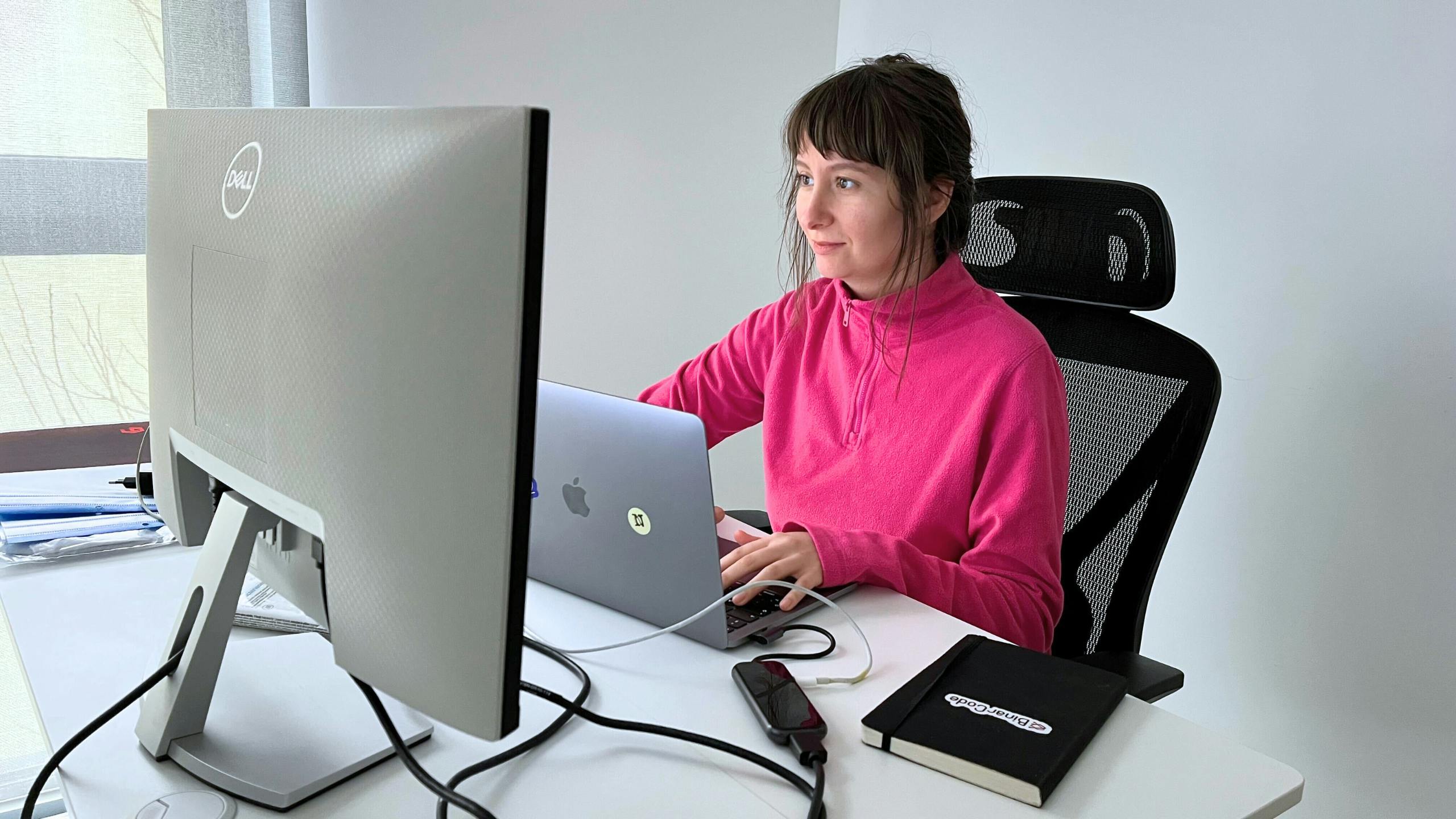
I started my career as a Frontend Developer. Writing code felt good. Solving problems felt good. But after some time, I noticed something.
What excited me the most was not only building things. It was testing them.
As a QA Engineer, you have to be thorough. You cannot test only the happy path and assume everything else will work. You have to think about different scenarios, different data sets, and different environments. You have to imagine what could go wrong before it actually does.
When I finish testing something, I do not just want to close the ticket and move on. I want to feel confident about it. Not only that it works according to the requirements, but that it behaves well in real situations. Sometimes everything looks correct on paper, but once you look a bit deeper, small gaps appear. I like catching those gaps before anyone else does.
That mindset slowly started to feel more like home.
Is It Possible to Change Careers?
Yes. It is absolutely possible.
Testing is not just about reading someone else’s code. In reality, most of the time, we do not read developers’ code at all. We test the system from the outside. Through the API. Through the UI. We look at how everything works together, not only how it was written.
That requires a very different mindset than development.
As a developer, you focus on building something that works. As a QA Engineer, you focus on finding how it might fail. You think about edge cases, unexpected inputs, race conditions, and strange user behaviour. You question assumptions. You try to break what was just built.
Not everyone enjoys that. Not everyone is wired that way.
So yes, it is possible to change careers. But it is not just about learning tools or automation frameworks. It is about whether you truly have that testing mindset. If you do not enjoy looking for gaps, inconsistencies, and weaknesses, you might be happier staying in development.
For me, I realised I actually enjoy that process. I like challenging the system. I like looking at it from different angles. That is when I knew the switch made sense.
Is It Easy?
No, it is not easy.
You need a certain personality. You need hard skills, but mostly strong soft skills. You need attention to detail. You need patience. You need to communicate clearly. You need to be able to say that something is not ready, even when there is pressure.
You also need some luck. Landing the first role is usually the hardest part. It sounds simple, but sometimes it is not.
In my case, I already had a development background. That helped me a lot with automation. I understood code, structure, and debugging, and that made the transition smoother.
But the biggest reason I changed was not technical. It was personal.
I realized I enjoy writing tests. I enjoy finding things that break. I enjoy exploring edge cases. There is something satisfying about discovering a bug before a user does. QA felt natural to me.
My Journey with BinarCode
The opportunity came after I made a LinkedIn post about wanting to switch careers. Silvia, our HR, a very kind-hearted person, reached out to me. She encouraged me to apply for a QA Engineer position at BinarCode, even though the role required three years of QA experience.
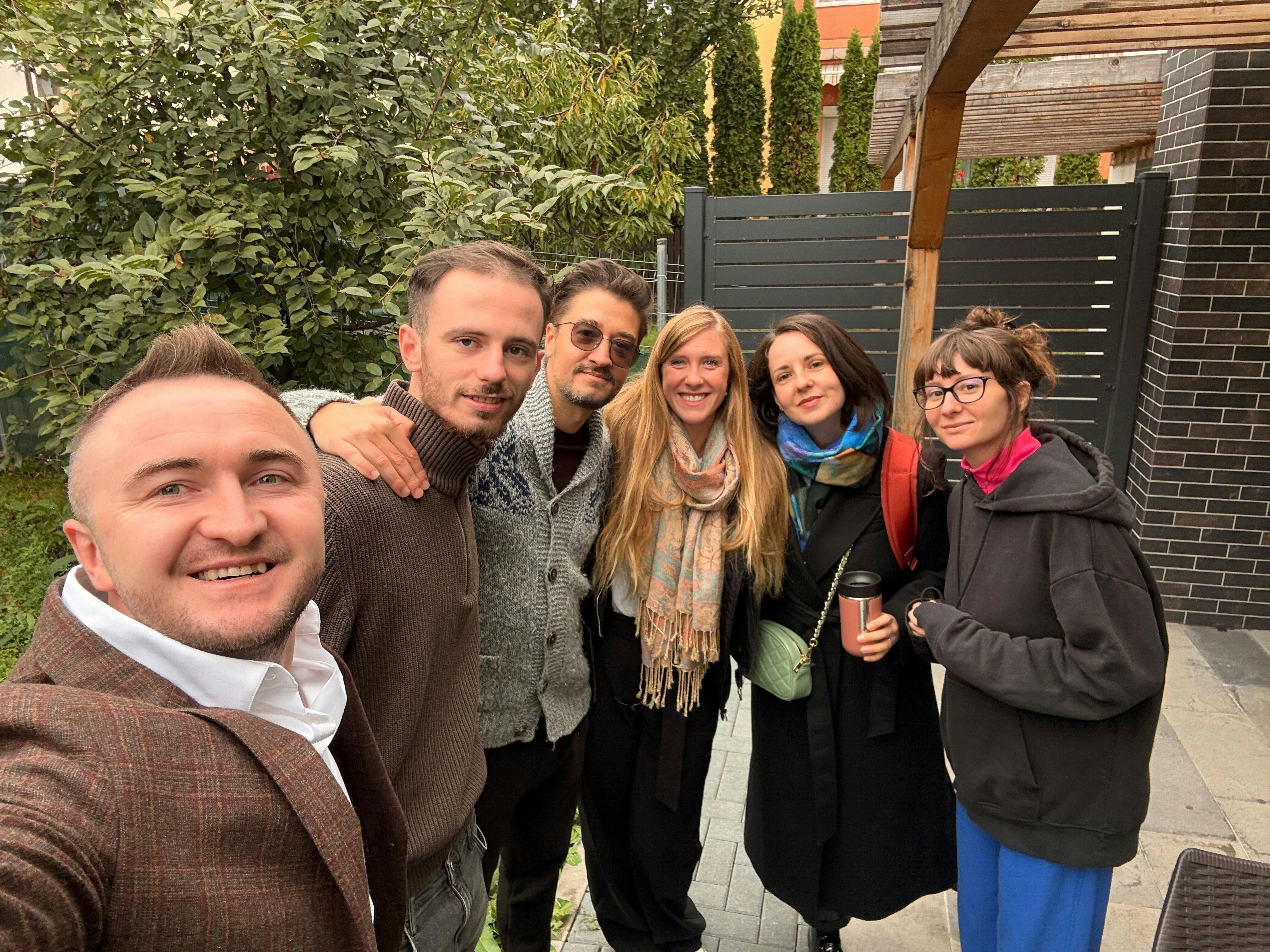
I believed that my solid background as a developer, combined with my QA mindset, gave me the confidence to try. Even as a developer, I was actively involved in testing because I was checking my own work, reviewing deployments, and testing the work of other teams. I applied, passed the interview and the test, and joined the team in July, moving from Alba Iulia to Cluj-Napoca to start this new chapter.
Looking back after six months, I feel that I have grown a lot, not only as a QA professional but also as a person. Working with talented and passionate colleagues who care about the same goals has been inspiring. At BinarCode, everyone is encouraged to contribute and be part of the company’s success, and that makes the experience truly meaningful.
What QA Really Means
Before I made the switch, I had one big question. If I find issues, can I actually do something about them, or is it just reporting and waiting for someone else to fix them?
The answer really depends on the company and the team. In some places, QA only reports bugs. In others, especially if you are technical, you can do a lot more. You can improve automation, suggest solutions, and sometimes even fix small issues yourself.
The more technical you are, the more opportunities open up.
For me, QA has never been about reporting bugs and waiting. It is about collaboration. We all have the same goal: to deliver a product that is stable, reliable, and valuable. That mindset is what makes QA interesting and rewarding.
Can You Go Back to Development?
I believe yes.
If you continue coding, even through automation or personal projects, you do not lose your development skills. Tech careers are flexible. Many people move between roles during their journey.
Having experience in both development and QA can actually make you stronger. You understand how features are built. You understand how they break. You see both perspectives. That knowledge is powerful.
Why I Do Not Regret It
Switching from Frontend Developer to QA Engineer aligned better with who I am.
Quality Engineering fits my personality well (very analytical, love puzzles). It also requires finding the right environment where your growth is supported and your contributions are valued.
For me, QA is not just a job. It is fun, and I actually enjoy going to work every day. I enjoy going to the office, meeting the dev team, showing them what I have found, and discussing it with them. It is inspiring and makes the work even more rewarding.
Sometimes growth is not about climbing higher in the same direction. Sometimes it is about choosing a direction that fits your personality, your strengths, and the way your mind naturally works.
For me, Quality Engineering was that direction.